About ChoppyMoo
Three grandmas.
One big idea.
Stories that make children lean forward — not sit back.
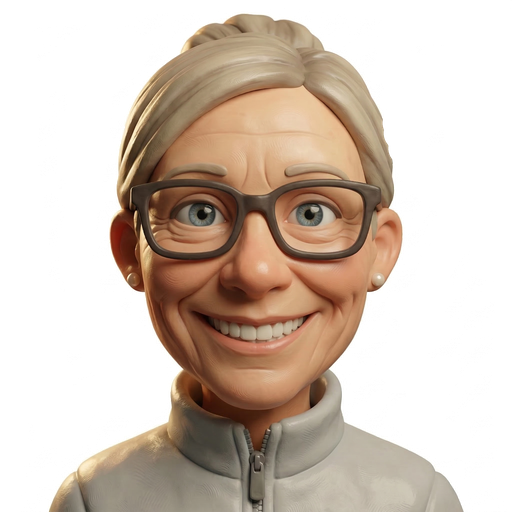
NanaB
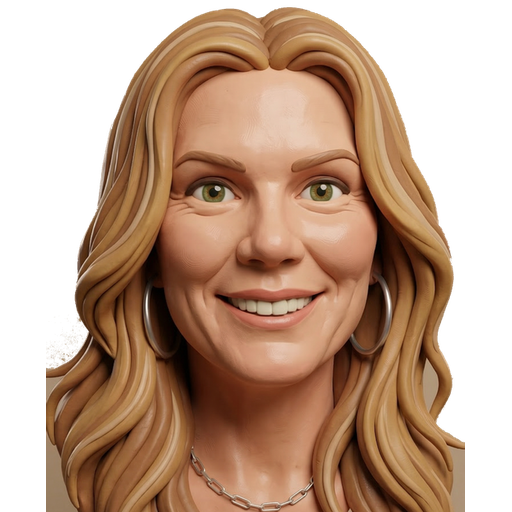
NanaJ
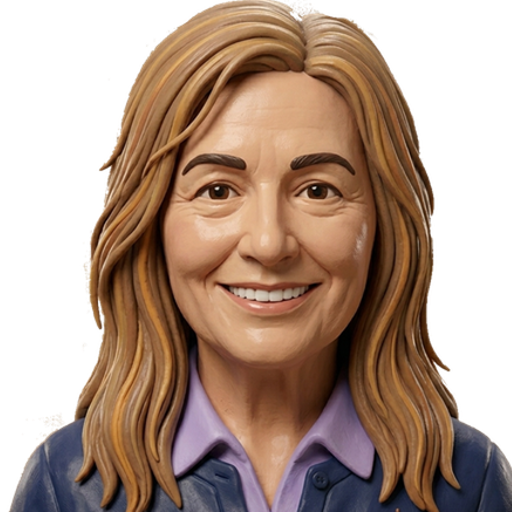
NanaC
How it started
They wanted better stories.
Three grandmothers — each with careers in public service and education, each had spent decades watching children learn and grow. Each one is a grandma. The three sat down and agreed on something. The stories children were getting could do more.
Stories could ask young children to imagine more. The grandmas were concerned that their grandchildren sat in front of screens, waiting to be entertained. The grandchildren "leaned back." The stories happened to them.
"We wanted lean-forward stories. Stories where the child is a participant, not an audience."
So they built it. A platform where stories ask the child to do something, decide something, contribute something.
On imagination
Fewere Pre-Chewed stories.
The three grandmas had watched a generation of children receive stories that arrived fully formed — every detail specified, every image provided, every feeling labeled. Nothing left for the child's imagination.
They believed — and still believe — that imagination is essential for young children. They wanted stories that cultivate the capacity to construct an inner world, to people it, to stretch that world out.
"Children are imagination experts. They just need space and encouragement."
ChoppyMoo stories leave room. They gesture at things. They trust the child to complete the picture. They believe the picture a child makes in their own mind is always best. A child's imagination can be simple, but it is never ordinary.
On technology
AI is good at some things. The grandmas knew which things.
The three grandmas wanted to use AI for what it is excellent at: simplifying complex technology and making powerful tools accessible to people who didn't go to engineering school. They wanted the stories, not the technology, to be the centerpiece.
AI is extraordinarily good at predicting what people would say — because it has read everything every human has ever written down. That is a remarkable and useful thing. But it is not the same as understanding how the world works. Children learn best by doing. They need to learn how the world works one mistake at a time.
The grandmas wanted to steer children away from the early pull of social media — away from the idea that the world should bend to what the child feels. The grandmas wanted to promote the harder, more useful, more joyful discovery that the world has its own shape, and that learning that shape is one of the great adventures of being alive.
Core values
Learning
Children will soak up everything if given a chance. Our job is to give them the chance — enthusiastically, repeatedly, in every direction.
Imagination
Growing up should be about limitless expansion of the inner world — with gentle, learned guardrails for how that inner world meets the outside world we all share.
Active engagement
Stories should ask something of the child. A child who leans forward is a child who is present — and a child who is present is a child who is learning.
How the world works
The children who thrive are the ones who adapt to the world as it is — curious about its rules, delighted by its surprises, and confident to test edges because they feel supported and safe.
"Give every day the chance to become the most beautiful of your life."
— Mark Twain